
Many people worry about the general aches and tenderness after being pierced, but when you have a needle inserted in to your body and what is essentially a foreign object (the jewellery) put in to that hole, it’s quite normal for your body to have a reaction. Some piercings can be more tender than others and for longer than any of us may want, but in time and with the correct aftercare, your piercing will heal; it’s not going to happen overnight. It’s important to follow correct aftercare (General Piercing Aftercare), but occasionally things can go awry with a piercing, the main thing is not to panic and it could be just a simple case of changing the jewellery or adjusting your cleaning regime. Always consult a professional piercer at the first sign of any issues or if you have concerns.
Many piercings can take months, maybe over a year to fully heal, so although they can feel absolutely fine, on the inside the fistula is still going through a healing process and so don’t be surprised if one day, it could be 9 months down the line, you accidentally snag your piercing and it flares up; this is quite normal and with the right advice can be sorted.
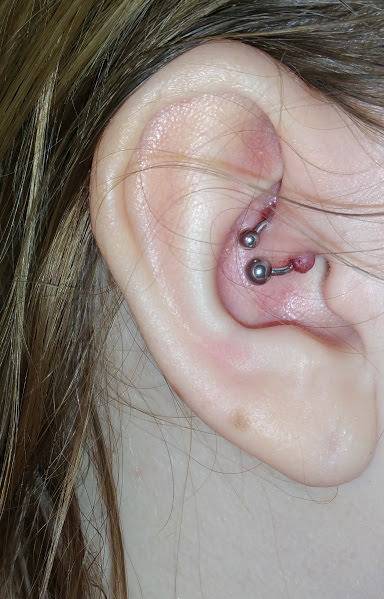
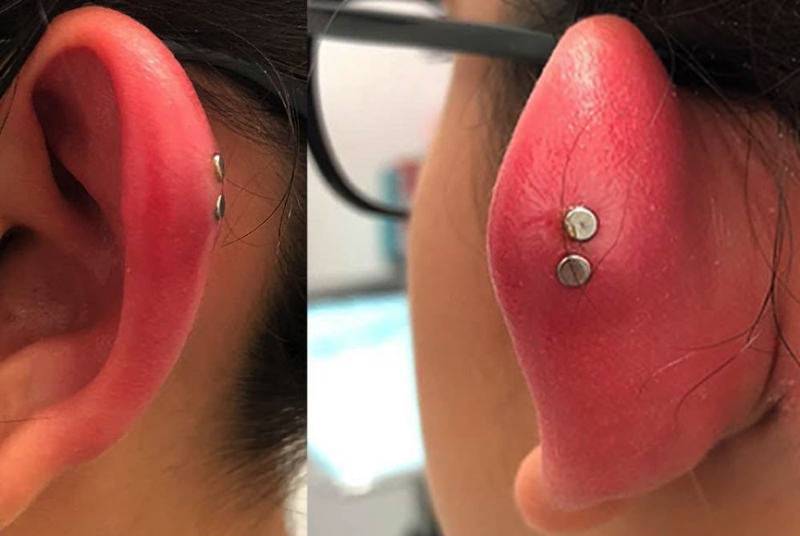
People often panic and automatically assume it’s infected when they have a problem with their piercing, but actually infection really isn’t very common; your piercing is more than likely very irritated. Piercings can become sore, tender and swollen with crusty stuff, particularly if they get knocked or irritated in some way and then it’s just a simple process of elimination as to what the irritating factor is and going from there.
Follow correct aftercare – General Piercing Aftercare
❎DO NOT buy jewellery off the internet and attempt to change it yourself. Jewellery from the internet is generally made of sub-standard metals and could cause major issues with your piercings. You may end up with the wrong size and type; you may also struggle to do the change, causing damage to yourself. INCORRECT jewellery type can ensure your piercing never heals and unfortunately there are some piercers out there who also use low quality, incorrect jewellery. Read this blog about the importance of quality body jewellery: The Importance of Using Good Quality Jewellery
❎DO NOT put any ointments, creams, oils etc. on your piercing
❎DO NOT go to bed with wet hair if you have a new piercing on the ear. Moisture sitting on piercings will cause soreness and irritation
❎DO NOT fiddle or pick crust from your piercing
✅DO maintain a healthy immune system with a balanced diet, drink plenty of water and regularly exercise; illness will effect the healing of your piercing
✅DO wash your hands when checking your balls/gems are tight (remember righty-tighty)
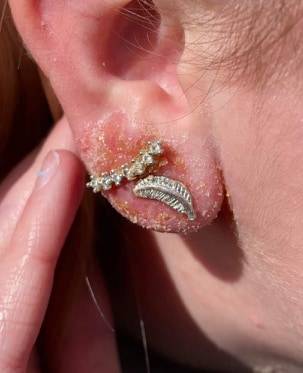
✅DO keep clothes from rubbing on a body piercing and if you have a facial piercing, keep make-up/make-up remover and harsh facial washes away from it
✅DO keep your piercing dry by using a hairdryer to dry it off after showering etc.
✅DO clean and change your bedding regularly. Good personal hygiene is crucial for a healing piercing.
Any piercing carries with it a risk; after all you are sticking a hole and a foreign object in to your body. The more piercings you have in one sitting and if around the same area, the longer it may take to heal, as a piercing is, in a sense, a minor surgical operation and could be considered a trauma for the body.
This is just a brief outline of what problems may occur with a piercing and for more in-depth information or advice please get in touch, we’re here to help.
Disclaimer: These suggestions are not to be considered a substitute for advice from a medical professional.
© 2017-2026 - Pictures of Lily Tattoo & Piercing - Biggleswade