
Having a new piercing involves breaking the skins surface, this means that your fresh piercing must be cared for properly and you should follow the professional advice that is given to you in order for your piercing to heal the best that it can. It is normal for your piercing to be sore, tender, possibly slightly bruised, swollen and crusty; this is your body’s natural reaction to having a hole put in it and a foreign object placed there. Healing can be affected by many factors including hormonal changes, illness, weather, altitude etc. If you have any concerns about the healing of your piercing please do not hesitate to contact us.
Ears, nose, navel, nipples, surface and dermals:
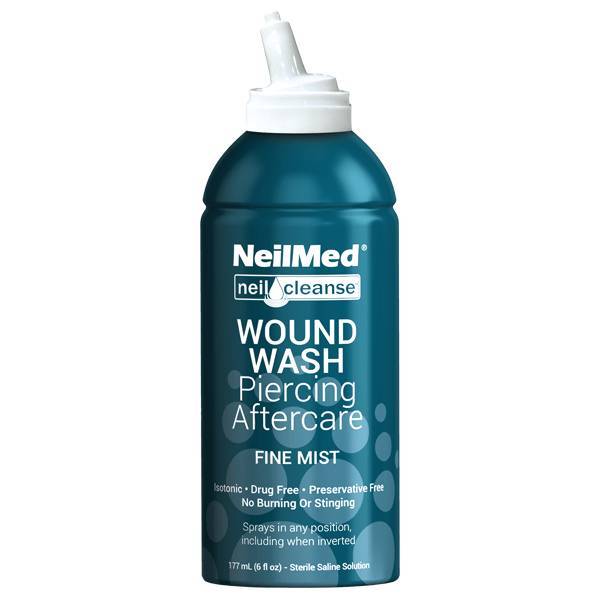
Oral piercings (lip, tongue, cheeks etc):
Genital piercings:
It is normal for piercing to bleed at first and for this to occasionally reoccur during the first few days, it’s also normal that your piercing will get crust on it, but it’s really important not to pick this off. Swelling, tenderness and sometimes bruising is also a normal reaction for your body to have after a piercing.
Do not twist or turn your new piercing, this will actually do more harm than good
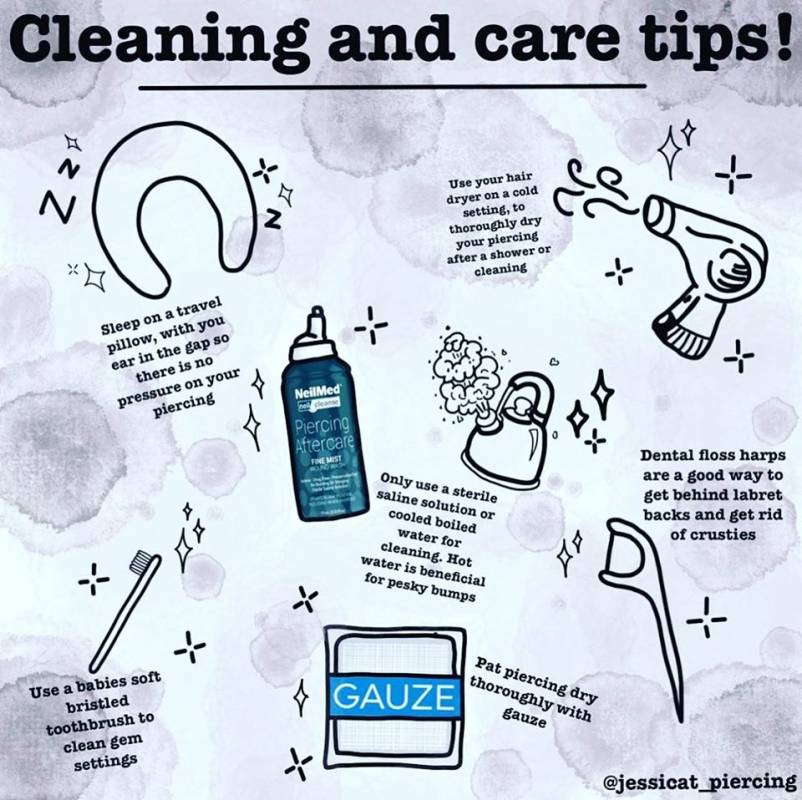
Never clean your piercing with hydrogen peroxide, alcohol, Dettol , TCP, surgical spirits or anything other than what you have been advised to use. These are too harsh and will cause irritation; your body has an open wound and is trying to accept a foreign object.
Avoid swimming for the first couple of weeks as the water may irritate your piercing, When you do go swimming you need to flush the area with clean saline solution and dry the area properly.
Do not go to bed with wet hair if you have had an ear piercing, as moisture will irritate your piercing.
A healthy immune system is vital for the healing of your piercing, so a balanced diet is essential and drink plenty of water.
It’s important to maintain good personal hygiene and to wash clothing and bedding regularly.
Your initial jewellery is the size your anatomy requires, but also in some cases longer to allow for any swelling. Do not change your jewellery sooner than advised as this can lead to problems, you must come to us for your jewellery changes, or ask us who we recommend if you don’t live locally.
We do not advise buying jewellery online or from certain high street retailers, as the materials may be sub-standard and of the wrong size, which will lead to problems. We would only advise using high quality, hand-polished, implant grade titanium or gold (14K or 18K and not plated). Check out our blog explaining the importance of using good quality jewellery The Importance of Using Good Quality Jewellery
Avoid catching your piercing or wearing clothing that will catch or rub as this can lead to migration and irritation.
Do not panic if you have intermittent bleeding, this is normal for piercings. It is really important to make sure you come back for your check up appointment and free change down (piercing dependent); getting correctly fitted jewellery will really help your piercing heal better. Some piercings are prone to getting little lumps and bumps on them, so if you get a lump or bump pop into the studio, or message us and we can advise you on how to best deal with this (also refer to our lumps and bumps blog Lumps & Bumps on Piercings). Infection is extremely rare, but if you suspect that your piercing is infected please come to see us first and we can then advise you on the best action to take.
© 2017-2026 - Pictures of Lily Tattoo & Piercing - Biggleswade